
Education hub
Life After Weight Loss
Maintain your progress. Protect your strength. Build a healthier life beyond the scale.
Updated October 2026 · 10 min read · Reviewed against published research

Key Takeaway
Reaching a goal weight is a transition, not the end of care. Weight regain is common after GLP-1 treatment stops, but it is not a personal failure. A sustainable maintenance plan combines individualized clinical care, nourishing food, strength and aerobic activity, sleep, and attention to health beyond the scale.
Maintenance is a new phase of care
After weight loss, the goal shifts from making the scale go down to keeping yourself well nourished, physically capable and metabolically healthy. That may mean maintaining a realistic weight range rather than one exact number. Improvements in walking comfort, stamina, blood pressure, glucose control and quality of life can be just as important as pounds lost.
For many people, obesity is a chronic condition influenced by biology, environment, medications and daily circumstances. Ongoing support is no more a sign of failure than continuing treatment for high blood pressure. If your weight stabilizes above your original target, discuss whether your health has improved and whether further loss would actually help — especially if strength or food intake is declining.
What happens when GLP-1 treatment stops?
The STEP 1 extension followed a subset of adults without diabetes after 68 weeks of semaglutide 2.4 mg treatment. One year after both medication and the trial's structured lifestyle intervention ended, participants had regained about two-thirds of their previous weight loss on average. They remained about 5.6% below their starting weight. Several cardiometabolic improvements also moved back toward baseline. Because lifestyle support ended too, this extension does not isolate the effect of medication withdrawal alone. [1]
SURMOUNT-4 studied a different medication and design. Adults without diabetes first received tirzepatide for 36 weeks, losing an average of 20.9% of starting weight. Over the following 52 weeks, those switched to placebo gained an average of 14.0% relative to their weight at the point of withdrawal, while those continuing tirzepatide lost a further 5.5%. Both groups continued lifestyle counseling. The 14.0% figure is not 14% of the pounds previously lost. [2]
These are group averages from selected trial populations, not a forecast for you or a head-to-head comparison of the two drugs. They support a practical message: plan for the maintenance phase before treatment changes. Neither trial establishes a tapering schedule that reliably prevents regain.
Why hunger and weight can return
A smaller body generally needs less energy than a larger one. Weight loss can also trigger physiological adaptations that favor increased appetite and reduced energy expenditure. When the appetite-regulating effects of a medication are removed, hunger, cravings or thoughts about food may become more noticeable again.
This does not mean your metabolism is permanently 'broken,' or that you lack willpower. It means maintenance may require different support from the weight-loss phase. Regular meals, accessible food choices, manageable activity and clinical follow-up are useful foundations, but no habit, supplement or detox can guarantee that weight will never return.
Make medication decisions with your prescriber
Reaching your goal does not automatically mean treatment should stop. Depending on the product's indication, health benefits, side effects, medical history, preferences and affordability, a clinician may recommend continuing treatment or discussing alternatives. Benefits for diabetes or other conditions also matter; weight alone is not the whole decision.
Do not independently stop, restart, space out injections or change the dose. Evidence for improvised 'microdosing' or extended dosing intervals is not the same as evidence for approved regimens. After a treatment gap, restarting the old dose may cause substantial digestive side effects; your prescriber or pharmacist should give product-specific instructions.
If cost, shortages, persistent nausea or another issue is making treatment difficult, contact the care team before you run out or abandon care. Ask about the next step, the follow-up schedule, and how glucose or blood-pressure treatment may need reassessment. If pregnancy is planned or suspected, contact your prescriber promptly for medication-specific advice.
Protect muscle, strength and everyday independence
Weight lost during treatment can include lean tissue as well as fat. Lean tissue is not identical to skeletal muscle, and a body-composition scan alone cannot tell you how strong you are. For adults in midlife and beyond, protecting function matters: getting up from a chair, carrying groceries, climbing stairs and maintaining balance.
The U.S. physical activity guidelines recommend muscle-strengthening work for all major muscle groups on at least two days a week, alongside aerobic activity. Begin at your current ability. Chair sit-to-stands, wall push-ups, resistance bands and appropriately chosen weights can all be starting points. Gradually increase the challenge as technique and confidence improve; a physical therapist or qualified trainer can help if pain, frailty or injuries limit movement.
Older adults should also include balance work suited to their ability. Do not pursue more weight loss at the expense of persistent weakness, dizziness, fatigue or falls. Discuss these symptoms and whether a nutrition, bone-health or functional assessment is needed. Protein supports muscle, but protein alone does not replace the stimulus of resistance exercise.

Eat for nourishment, not permanent restriction
Maintenance should provide enough energy and nutrients to support daily life. Continued loss is not always desirable once you have reached an appropriate range. If medication still suppresses appetite, small regular meals may be easier than waiting until you feel very hungry. A registered dietitian can help adjust intake without returning to rigid, all-or-nothing dieting.
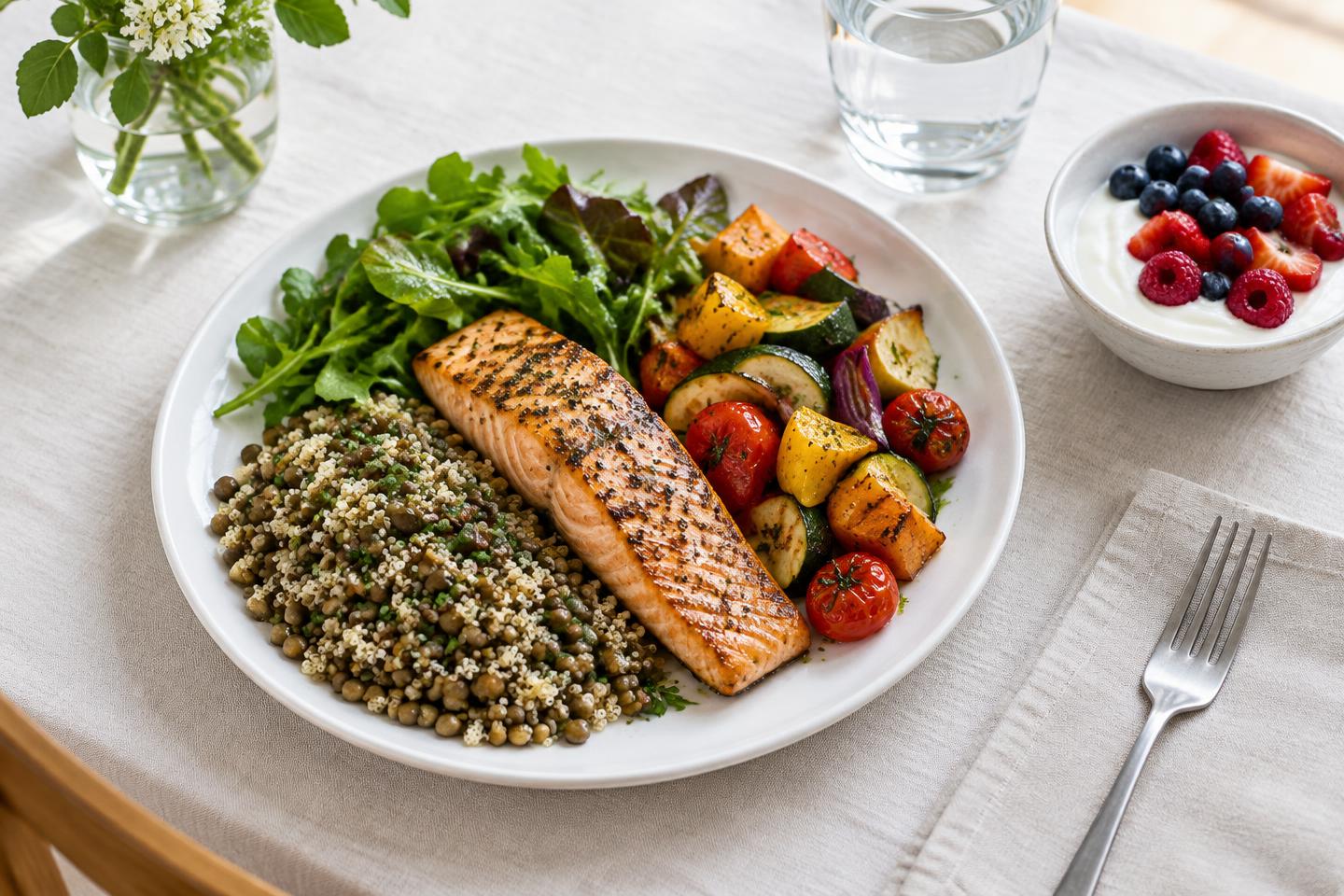
Include a protein source at meals — fish, eggs, poultry, tofu, beans, lentils or dairy, depending on your preferences — together with vegetables or fruit, fiber-rich carbohydrates and sources of unsaturated fat. Protein needs vary with age, body size, activity and medical conditions; ask for an individualized target rather than borrowing someone else's grams-per-day plan. Kidney disease and other conditions may require a different approach.
Increase fiber gradually if you have digestive symptoms and drink fluids regularly, unless your clinician has set a fluid restriction. Persistent vomiting, very low intake or ongoing fatigue deserves assessment. Supplements are not a substitute for adequate food; deficiencies should be evaluated and treated when indicated, rather than assumed.
Build aerobic fitness and protect sleep
Aim gradually toward 150–300 minutes of moderate-intensity aerobic activity per week, or 75–150 minutes of vigorous activity, as your health allows. A brisk walk that lets you talk but not sing is one example of moderate effort. Short sessions count; walking, cycling, swimming and dancing can all fit into a sustainable routine. Some people need more activity for weight maintenance, but there is no universal exercise dose that guarantees it.
If you are inactive, start with manageable amounts and build up. Add breaks from prolonged sitting and choose activities you actually enjoy. Seek individualized advice for heart disease, significant joint limitations or diabetes complications; insulin and some diabetes medicines can increase low-glucose risk around exercise.
Most adults should regularly get at least seven hours of sleep, with individual needs varying. A consistent wake time, a calm evening routine and evaluation of persistent insomnia are useful steps. Snoring, gasping during sleep or daytime sleepiness may signal sleep apnea. Weight loss can improve apnea, but do not stop CPAP or other prescribed treatment without reassessment.
Sources: [7]
Monitor your health beyond the scale
Agree with your clinician on what to follow and how often. Depending on your health history, that may include weight trends, waist size, blood pressure, HbA1c or glucose, cholesterol, medication side effects and physical function. Routine body-composition scans and broad panels of nutrient tests are not necessary for everyone.
For home tracking, a consistent weekly weight or a weekly average may be more informative than reacting to one reading. Hydration, salt, constipation and other factors can temporarily change the scale. If weighing causes distress or disordered eating, discuss less frequent weighing or other measures instead. Track how clothes fit, energy, walking endurance and strength only if these feel helpful.
Weight loss may change the need for diabetes and blood-pressure medicines. Report lightheadedness, fainting or low-glucose episodes; do not adjust other prescriptions yourself. Ask which results or symptoms should trigger contact and arrange follow-up sooner after a medication change. The interval should reflect your conditions, not a one-size-fits-all schedule.
Sources: [8]
Respond to regain early, without blame
A sustained upward trend is a reason to review the plan, not punish yourself. Consider what has changed: medication access, hunger, sleep, stress, mobility, eating patterns or a new medicine that affects weight. Bring this information to your care team. Avoid crash diets, skipping meals to compensate or suddenly doubling exercise.
Agree on a personal action threshold — for example, a trend outside the maintenance range you and your clinician chose — rather than treating every fluctuation as an emergency. Early reassessment may uncover an adjustable obstacle or the need for additional treatment. Behavioral support, a dietitian and practical help from family or friends can make the plan easier to sustain.
Rapid unexplained change, swelling, breathlessness or significant weakness is different from gradual regain and needs medical assessment. Seek urgent care for severe abdominal pain, persistent vomiting with dehydration, fainting or other serious symptoms.
Make room for confidence, connection and a fuller life
Your body and your relationship with food may feel different after substantial weight loss. Loose skin, changed clothing needs, other people's comments or anxiety about regain can complicate what was expected to feel like a straightforward success. You do not have to feel grateful every moment or pursue cosmetic treatment to validate your progress.
Set goals that make life larger: a regular walk with a friend, a comfortable trip, a stronger stair climb or returning to an activity you enjoy. Supportive relationships and routines can help during stressful periods. If fear of regain leads to food avoidance, compulsive exercise, binge eating, persistent low mood or isolation, seek a qualified mental-health professional.
The long-term aim is not the lowest possible weight. It is a pattern of care that supports strength, metabolic health, enjoyment and independence — and can adapt as your needs change.
Your next four weeks
A starting framework to adapt with your care team — not a medication or diet prescription.
- Week 1 · Agree on the plan. Arrange a maintenance review, choose health goals beyond weight and discuss what to do if medication access changes.
- Week 2 · Make meals repeatable. Choose a few balanced breakfasts, lunches and dinners you enjoy. Check whether low appetite is keeping you from eating enough.
- Week 3 · Build your movement rhythm. Schedule achievable walks and strength sessions, with recovery and balance practice as appropriate.
- Week 4 · Review, don’t judge. Look at energy, hunger, strength, sleep and weight trends. Adjust one or two habits rather than attempting an unsustainable overhaul.
Frequently asked questions
Will everyone regain weight after stopping a GLP-1?
No. Trials show substantial average regain, but individual responses vary. The studies cannot predict your outcome. Arrange follow-up before stopping so changes in appetite, weight and metabolic health can be addressed early.
Does reaching my goal mean I should stop medication?
Not automatically. For some people, medication remains part of long-term treatment. Your prescriber should review the original indication, ongoing benefits, tolerability, health conditions, preferences and affordability. There is no universal stop date.
Can exercise and protein replace medication?
They support health, strength and maintenance, but are not proven substitutes for medication for everyone. Combining sustainable habits with appropriate clinical treatment is different from promising that habits will prevent all regain.
Is a little weight fluctuation a problem?
Usually, one reading is not enough to judge. Fluid, salt intake, bowel contents and menstrual changes can affect weight. Look at the trend over several weeks and how you feel. Sudden gain with swelling or breathlessness needs prompt medical assessment, not a stricter diet.
Can I restart my old dose after a break?
Do not restart on your own. Instructions differ between products and according to how many doses were missed; a lower restart dose or re-escalation may be needed to reduce side effects. Contact your prescriber or pharmacist for product-specific advice.
Keep building your maintenance plan
Authoritative references
The withdrawal findings come from peer-reviewed clinical trials. Practical guidance draws on public-health recommendations and professional guidance; it does not establish a guaranteed way to prevent regain.
- [1] Wilding et al. Weight regain and cardiometabolic effects after withdrawal of semaglutide: the STEP 1 trial extension. Diabetes, Obesity and Metabolism (2022).
- [2] Aronne et al. Continued treatment with tirzepatide for maintenance of weight reduction: the SURMOUNT-4 randomized clinical trial. JAMA (2024).
- [3] National Institute of Diabetes and Digestive and Kidney Diseases. Prescription medications to treat overweight and obesity.
- [4] NICE. Overweight and obesity management (NG246): medicines and surgery.
- [5] U.S. Department of Health and Human Services. Physical Activity Guidelines for Americans, 2nd edition.
- [6] Nutritional priorities to support GLP-1 therapy: a joint advisory from the American College of Lifestyle Medicine, American Society for Nutrition, Obesity Medicine Association and The Obesity Society (2025).
- [7] Watson et al. Recommended amount of sleep for a healthy adult: AASM and Sleep Research Society consensus statement (2015).
- [8] American Heart Association. Life's Essential 8: cardiovascular health measures.
Educational information only, not medical advice. Discuss changes to exercise, sleep treatment, medications or monitoring with your healthcare professional.
Questions for your healthcare provider
- What weight range and health goals are realistic for me now?
- Should I continue my current medication, and how will we review benefits, side effects and cost?
- If treatment has to stop, what follow-up and alternative support should we arrange?
- How much protein and activity are appropriate for my age, strength and medical history?
- Do my blood-pressure or diabetes medicines need reassessment?
- Which symptoms, weight trends or test results should prompt an earlier appointment?
Compare Providers - Free
GLP-1 Academy can help you discover providers and services.
Compare Providers